%2Ffit-in%2F250x250%2Fguide_websites%2F123001%2Fimages%2F1775611110611jbgoutdoors.png&w=1920&q=100)
/users/99f4fab5-af66-40b9-a2ec-2da31aeaddc7/ratecard/gemini_generated_image_h5j0w2h5j0w2h5j0-mnp9bjz6.png)
%2F300x300%2Fusers%2F99f4fab5-af66-40b9-a2ec-2da31aeaddc7%2Fratecard%2Fgemini_generated_image_h5j0w2h5j0w2h5j0-mnp9bjz6.png&w=256&q=75)
%2F300x300%2Fusers%2F99f4fab5-af66-40b9-a2ec-2da31aeaddc7%2Fimages%2Fcorpus-christi-redfish-catch-2707.jpg&w=256&q=75)
%2F300x300%2Fusers%2F99f4fab5-af66-40b9-a2ec-2da31aeaddc7%2Fimages%2Fsouthern-flounder-corpus-christi-catch-2715.jpg&w=256&q=75)
%2F300x300%2Fusers%2F99f4fab5-af66-40b9-a2ec-2da31aeaddc7%2Fimages%2Fcorpus-christi-speckled-trout-catch-2633.jpg&w=256&q=75)
%2F300x300%2Fusers%2F99f4fab5-af66-40b9-a2ec-2da31aeaddc7%2Fimages%2Fcorpus-christi-redfish-catch-2723.jpg&w=256&q=75)
%2F300x300%2Fusers%2F99f4fab5-af66-40b9-a2ec-2da31aeaddc7%2Fimages%2Fcorpus-christi-redfish-catch-2809.jpg&w=256&q=75)
%2F300x300%2Fusers%2F99f4fab5-af66-40b9-a2ec-2da31aeaddc7%2Fimages%2Fcorpus-christi-speckled-trout-catch-2779.jpg&w=256&q=75)
%2F300x300%2Fusers%2F99f4fab5-af66-40b9-a2ec-2da31aeaddc7%2Fimages%2Fcorpus-christi-redfish-catch-2674.jpg&w=256&q=75)
%2F300x300%2Fusers%2F99f4fab5-af66-40b9-a2ec-2da31aeaddc7%2Fimages%2Fcorpus-christi-trout-redfish-catch-2988.jpg&w=256&q=75)
%2F300x300%2Fusers%2F99f4fab5-af66-40b9-a2ec-2da31aeaddc7%2Fimages%2Fwade-fishing-corpus-christi-action-2592.jpg&w=256&q=75)
%2F300x300%2Fusers%2F99f4fab5-af66-40b9-a2ec-2da31aeaddc7%2Fimages%2Fwade-fishing-corpus-christi-action-2614.jpg&w=256&q=75)
Corpus Christi Wildlife Flats Tour JBG Outdoors
What you will be catching:
 Redfish
 Sea Trout
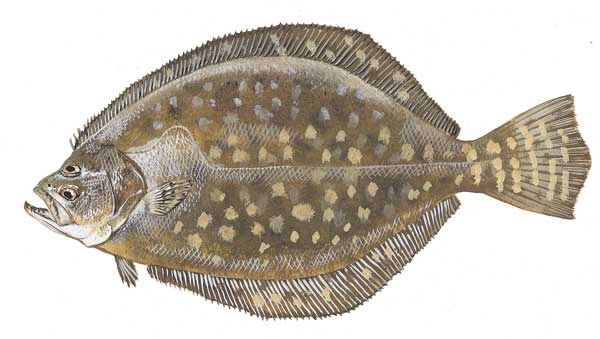 Southern Flounder
- This 2-hour wildlife tour takes you through the Upper Laguna Madre and Corpus Christi Bay to spot dolphins, local birds, and explore the diverse South Texas coastal ecosystem. We run trips at 7 AM and 1 PM from our stable 23-foot Shoalwater boat, focusing purely on sightseeing rather than fishing. It's a private experience perfect for families since all ages can enjoy it comfortably. You'll get great views of the coastline while learning about the area's wildlife from someone who knows these waters well. The rate covers up to three people at $300, with room for a fourth guest for an extra $50. No fishing license needed
- just bring your camera and get ready to see what makes this part of the Texas coast special.
Trip Pricing and Availabilities:
Corpus Christi Wildlife & Sightseeing Tour
If you're looking to experience the raw beauty of South Texas coastal waters without worrying about fishing licenses or tackle boxes, this wildlife and sightseeing tour is exactly what you need. We'll take you through the heart of the Upper Laguna Madre and Corpus Christi Bay system aboard our stable 2023 23' Shoalwater, where the real stars are the dolphins, birds, and stunning scenery that make this area legendary. This isn't your typical tourist boat ride – it's a genuine look at one of Texas' most diverse coastal ecosystems, delivered with the kind of local knowledge that only comes from spending countless hours on these waters.
What to Expect on the Water
Your 2-hour adventure kicks off at either 7:00 AM or 1:00 PM, depending on what works best for your schedule. The early morning departure gives you that magical golden hour light and tends to be when wildlife is most active, while the afternoon trip offers calmer winds and perfect conditions for photography. We'll cruise through shallow flats and deeper channels where the Laguna Madre meets Corpus Christi Bay, areas that serve as highways for migrating birds and feeding grounds for marine life. The 23' Shoalwater we use is built specifically for these waters – stable enough for kids and grandparents, but shallow-draft enough to get into spots where bigger boats can't go. You'll have unobstructed views from every angle, and the ride is smooth even when we're moving between locations. This is prime territory for spotting bottlenose dolphins, especially around the deeper cuts where they hunt for mullet and other baitfish. The bird life here is world-class too – great blue herons, roseate spoonbills, brown pelicans, and if we're lucky, maybe even a frigate bird or two. The scenery changes as we move from open bay to protected marshes, giving you a complete picture of why this ecosystem is so special.
Our Approach & Local Knowledge
What sets this trip apart is the local insight you get along the way. I've been running these waters for years, and I know where to find the wildlife and when they're most likely to show up. We use the boat's quiet trolling motor when we're in sensitive areas, which lets us get closer to wildlife without disturbing their natural behavior. The route we take depends on wind, tides, and what's been active lately – flexibility is key to a great wildlife tour. We'll position ourselves near dolphin feeding areas during tidal changes when they're most active, and I'll point out the subtle signs that indicate where marine life congregates. The boat's layout gives everyone a great view, whether you're into photography or just want to soak it all in. We carry binoculars on board, and I'm always happy to explain what we're seeing – from the way certain birds feed to how the tide affects where dolphins hunt. The Upper Laguna Madre is one of only six hypersaline lagoons in the world, which creates unique conditions that support incredible biodiversity. You'll learn why this area is so important for migratory species and how the ecosystem works together.
Species You'll Want to See
Sea Trout might be known as a fish you catch, but watching them work the grass flats from above gives you a whole new appreciation for these beautiful predators. They're most active during moving water, creating those telltale surface disturbances as they chase shrimp and small baitfish through the shallow areas. During cooler months, you'll often see them in large schools working together, and their feeding activity draws in birds like terns and gulls. The way they use the grass beds for ambush hunting is something to see – they'll lie motionless until prey gets close, then explode into action. Spring and fall are prime times for spotting big schools, especially around deeper potholes in the grass flats where they feel secure but can still access shallow feeding areas.
Redfish are the kings of the flats, and spotting them from the boat is pure excitement. These bronze-colored beauties cruise the shallows with their backs and tails often visible above the surface, especially when they're rooting around in soft bottom areas looking for crabs and shrimp. They're year-round residents here, but fall months bring the biggest schools as they prepare for their spawning runs. What makes them special is their bold nature – unlike many fish that spook easily, reds will often continue feeding even when the boat is nearby. You'll see them in water so shallow you wonder how they fit, and their distinctive black spots make them easy to identify. The way they work together to corral baitfish against shorelines is fascinating to watch, and their powerful tails create distinctive wakes as they move through skinny water.
Southern Flounder are the masters of camouflage, and spotting one is like finding a hidden treasure. These flatfish bury themselves in sand and mud with just their eyes exposed, waiting for unsuspecting prey to swim overhead. What's amazing is watching them move – they glide along the bottom like underwater flying carpets, perfectly adapted to life in the shallows. Fall and winter are when they're most active in our area as they move toward deeper water for spawning. Finding them requires knowing exactly where to look – sandy potholes, channel edges, and areas where current brings food. When they swim, their undulating motion is mesmerizing, and their ability to change color to match the bottom is something you have to see to believe. They're proof that some of nature's most interesting creatures are also the most well-hidden.
Time to Book Your Spot
This top-rated wildlife tour fills up quickly, especially during peak migration seasons when the bird watching is at its best. At $300 for up to three people, with the option to add a fourth guest for just $50 more, it's an incredible value for a private experience with a knowledgeable local guide. The fact that no fishing license is required makes it perfect for families with mixed interests or visitors who want to experience our waters without the